How dynamic pricing actually works
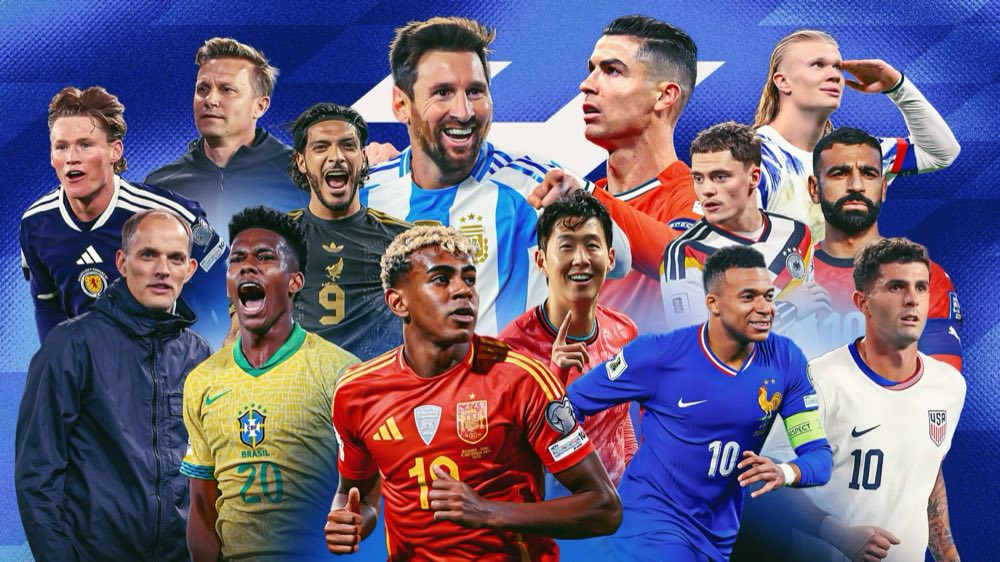
IPTV4WorldCup has analysed FIFA’s 2026 pricing data since the first lottery opened. The headline: 2026 is the first World Cup where FIFA prices each match individually based on demand. Previous tournaments used a flat-rate-per-category model — every Cat 3 group-stage ticket cost the same, whether you were watching Germany vs Brazil or Ghana vs Saudi Arabia.
What FIFA changed in 2026
- Per-match base price — FIFA assigns each fixture a demand score (based on participating-nation FIFA ranking, host-city size, kickoff time, day of week) and prices each category accordingly.
- Phase-based price changes — the same category can cost more in later phases (Phase 2 Random Selection Draw vs Phase 3 last-minute sales) if demand has not been met.
- Algorithmic resale on FIFA Official Resale — the platform shows a current “market clearing price” that fluctuates with demand, not a flat face-value cap.
- Hospitality and premium tiers expanded — FIFA added entirely new categories above what was offered in Qatar 2022, including the $33,000 MetLife final ticket and $8,680 premium tier.
Real examples — same category, very different prices
Quora user Wally White noted that Category 3 group-stage tickets in 2026 have ranged from $140 to $1,120 — an 8× price band within the same category. Real verified examples:
| Match | Category 3 face price | What drives it |
|---|---|---|
| Mexico vs South Africa (opener, Estadio Azteca) | ~$210 | Lower visitor base, regional draw |
| USA group game (Dallas, prime kickoff) | ~$1,120 | Host nation, large city, prime time |
| Group H match (Kansas City, weekday) | ~$140 | Lower-tier teams, off-peak slot |
| Argentina group game (NY/NJ) | ~$890 | Large diaspora, marquee draw |
| Brazil group game (Philadelphia) | ~$650 | Mid-tier city, large diaspora |
| R32 knockout (Dallas) | ~$1,150 | Knockout premium |
The same Cat 3 seat that costs $140 in Kansas City costs 8× more ($1,120) for the equivalent USA fixture in Dallas. Same category, same nominal “tier” in the stadium — very different prices.
The backlash — FSA, US lawmakers, Timothy Weah, Trump
- The Football Supporters’ Association called the policy “laughable” and accused FIFA of misleading fans on price commitments.
- U.S. Representatives Frank Pallone and Nellie Pou formally accused FIFA of manipulating scarcity to inflate prices, and have requested algorithmic transparency.
- Californians have contacted FIFA over possible legal violations under state consumer-protection law.
- Timothy Weah (US national team winger) publicly criticised the prices, calling them “too expensive” for ordinary fans. The Football Supporters’ Association Australia chair Patrick Clancy made similar comments about $90 group-stage prices in Melbourne.
- Donald Trump told reporters of the $1,000-plus ticket prices: “I wouldn’t pay it either, to be honest.”
- NYC Mayor Zohran Mamdani launched a $50 affordable-ticket lottery specifically in response to FIFA’s pricing. Read the Mamdani lottery guide.
- European fans associations (England’s FSA, Football Australia, France’s ANS) jointly stated that “ordinary supporters are being priced out of an event their taxes help host.”
FIFA’s defense and Infantino’s argument
FIFA President Gianni Infantino has defended the pricing in three lines:
- Demand-based pricing is fairer than first-come-first-served. If FIFA priced tickets too low, scalpers would buy them all and resell at 10×. Letting the official price reflect demand keeps the upside with FIFA (and re-invested in football) rather than touts.
- Comparable to other US sporting events. Infantino has argued World Cup prices are in line with NFL Super Bowl, NBA Finals and Stanley Cup Final tickets. The Super Bowl starts around $5,000 and reaches $100,000, so a $33,000 MetLife final is “normal” by US-sport benchmarks.
- Demand proved them right. The first 2026 lottery received over 500 million applications — massive over-subscription even at the current prices. Quora user Colin Riegels: “FIFA could probably have doubled the cost of those tickets and still been wildly oversubscribed.”
Critics counter that the Super Bowl is one game per year in the US, while the World Cup is once-every-four-years for the entire world — including fans from countries where a $200 ticket equals a month’s wages (Quora user Malc Barker on Haiti, Ghana).
How to game dynamic pricing in your favour
- Apply for off-peak matches. Group H, weekday kickoffs, smaller-FIFA-rank teams, mid-tier host cities (Kansas City, Houston, Atlanta, the Mexican cities). Cat 3 starts at $140 for these.
- Avoid USA / Argentina / Brazil / England knockouts in NY-Metro. Highest demand × highest dynamic-price multiplier.
- Watch FIFA Official Resale closer to kickoff. Some matches under-sell and the algorithm drops prices below initial face value. This is rare but real for lower-profile fixtures.
- If you are a NYC resident, enter the Mamdani $50 lottery.
- For step-by-step buying, see our complete buying guide.
Or watch every match in 4K with IPTV4WorldCup — 40,000+ live channels from $7.50/month annual. WhatsApp +33 6 44 65 05 25 for a free 24-hour trial.
Frequently asked questions
Is dynamic pricing used for World Cup 2026 tickets?
Yes, for the first time. FIFA prices each match individually based on demand. The same category 3 seat that costs $140 in Kansas City can cost $1,120 for a USA game in Dallas — an 8x price band within the same category.
Why is FIFA facing backlash over 2026 prices?
Prices are 4-5x higher than Qatar 2022 face value. The Football Supporters Association called the policy laughable, US lawmakers requested algorithmic transparency, Timothy Weah publicly criticised the prices, and even Donald Trump said he would not pay them.
How does FIFA defend the pricing?
Three arguments: (1) demand-based pricing is fairer than first-come-first-served, (2) prices are comparable to NFL Super Bowl and NBA Finals tickets, (3) the first lottery received over 500 million applications, proving the market accepts these prices.
What is the biggest price gap within the same category?
Around 8x. Category 3 group-stage tickets have ranged from $140 (Kansas City, weekday, lower-rank teams) to $1,120 (Dallas USA game, prime kickoff). Same nominal category, vastly different prices.
How do I avoid the highest dynamic prices?
Apply for off-peak matches: Group H, weekday kickoffs, lower-FIFA-rank teams, mid-tier host cities like Kansas City, Houston, Atlanta or the Mexican cities. Avoid USA/Argentina/Brazil/England knockouts in NY-Metro.
Did Donald Trump criticise World Cup ticket prices?
Yes. Trump told reporters of the $1,000-plus ticket prices: I would not pay it either, to be honest.
What is the Football Supporters Association position?
The FSA called FIFA pricing policy laughable and accused FIFA of misleading fans on the price commitments made in the 2017 bid document.
Will dynamic pricing reduce prices closer to kickoff?
Only for lower-demand matches that under-sell. FIFA Official Resale shows a current market-clearing price that can drop below face value for cold fixtures, but high-demand matches stay at or above face price throughout.